
 By
By 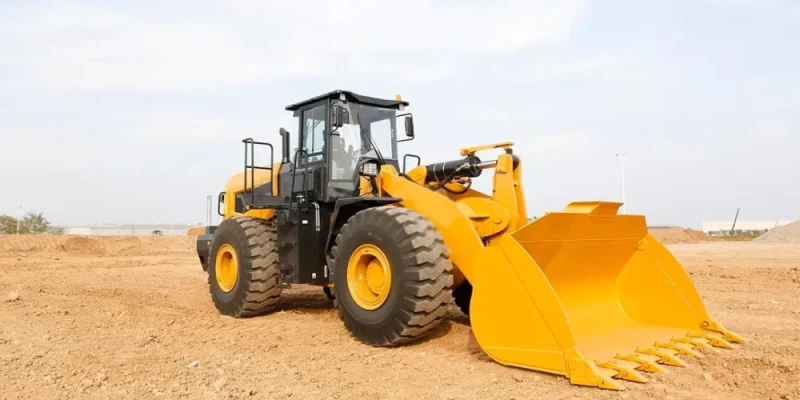
For African equipment importers, sourcing wheel loaders is not a catalogue exercise-it’s a sequence of decisions shaped by climate, logistics, financing, and customer expectations. Every shipment represents tied-up capital, reputation risk, and future service obligations. Experienced importers approach sourcing with discipline, not impulse.
This guide follows the way many seasoned importers think-step by step.
Step One: Start With Operating Reality, Not Brochures
African job sites are demanding. Heat, dust, inconsistent fuel quality, and long working hours quickly expose weak designs. Importers who start with glossy brochures often pay later through warranty claims and unhappy buyers.
The first question is simple: Can this machine survive local conditions? Cooling systems, axle strength, hydraulic sealing, and filtration matter more than headline horsepower figures. Machines must tolerate imperfect maintenance environments without constant failure.
Step Two: Match Machine Size to Real Buyers
Many importers make the mistake of sourcing machines that are technically impressive but commercially mismatched. In many African markets, buyers prioritize affordability, ease of repair, and fuel efficiency over advanced electronics.
Wheel loaders that are easy to operate and service often outsell higher-spec machines. Importers focus on configurations that align with quarry operators, contractors, and agricultural users-not just flagship models meant for mature markets.
This is where evaluating a wheel loaders manufacturer China becomes relevant, as production flexibility allows models to be tailored for practical use rather than premium positioning.
Step Three: Evaluate the Factory, Not Just the Product
Savvy importers look beyond the machine to the manufacturing operation itself. Factory consistency, quality control processes, and communication reliability matter more than one good sample unit.
Importers often ask:
- Are components standardized?
- How stable is supplier pricing?
- Is technical support responsive after shipment?
A factory that understands export markets and documentation requirements reduces friction long after the first order ships.
Step Four: Logistics Shape Profit More Than Price
Shipping heavy machinery into Africa is rarely straightforward. Port congestion, inland transport constraints, and customs clearance delays can quickly erase margin.
Importers plan packaging formats carefullywhether machines ship fully assembled or partially knocked down. Clear labelling, accurate documentation, and predictable lead times are as important as unit cost. A supplier who understands African ports becomes an operational partner, not just a seller.
Step Five: After-Sales Strategy Is the Real Business
Selling the machine is only the beginning. African buyers expect ongoing parts availability and technical guidance. Importers who fail here lose repeat business fast.
Successful importers build spare parts plans before placing the first order. Fast-moving itemsfilters, hoses, sealsare stocked locally. Technicians are trained early. This ecosystem supports confidence and drives word-of-mouth sales.
Choosing a wheel loaders manufacturer China that offers parts continuity and technical clarity makes long-term support manageable rather than reactive.
Step Six: Pricing for Trust, Not Just Volume
African markets are price-sensitive, but they are not quality-blind. Importers who race to the bottom often face returns, disputes, and damaged reputations.
Instead, experienced importers price transparently. They explain what the machine can and cannot do. Honest positioning builds trust and reduces post-sale conflict. In many regions, trust sells faster than discounts.
Step Seven: Think in Shipments, Not Single Deals
The most successful importers think beyond the first container. They plan for repeat orders, model consistency, and gradual brand recognition. Each shipment should strengthen market presence, not introduce confusion with changing specifications.
Consistency simplifies training, parts stocking, and customer educationturning imports into a scalable business rather than a series of risky transactions.
For African importers, sourcing wheel loaders is a long game. It requires patience, clarity, and a grounded understanding of local realities. Importers who focus on durability, logistics, and after-sales readiness build businesses that outlast price cycles. In markets where reliability defines reputation, disciplined sourcing is the true competitive advantage.





Comments