
 By
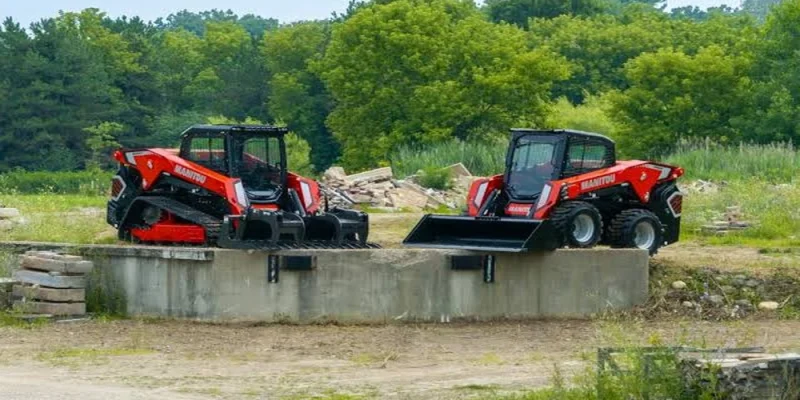
Track loaders are built to handle demanding jobs in construction, landscaping, agriculture, and material handling. However, continuous operation on rough terrain, exposure to dirt and debris, and heavy workloads can gradually wear down essential components. Knowing when track loader parts need replacing helps equipment owners prevent unexpected breakdowns, reduce repair costs, and maintain machine performance.
Common warning signs include unusual noises, damaged rubber tracks, excessive undercarriage wear, hydraulic leaks, reduced lifting power, and frequent track derailment. Regular inspections can help identify these problems before they lead to more expensive repairs or extended equipment downtime.
This guide explains 10 warning signs that indicate your track loader parts may need replacement, which components to inspect, and how to maintain your equipment for longer service life.
Key Highlights
- Inspect rubber tracks for cracks, missing sections, exposed reinforcement, and excessive wear.
- Check rollers, idlers, sprockets, and other undercarriage components for damage and abnormal wear.
- Investigate unusual grinding, squealing, knocking, or vibration before continuing operation.
- Monitor hydraulic hoses, cylinders, and connections for leaks or reduced performance.
- Replace worn or damaged parts promptly to help prevent secondary component failures.
- Follow the manufacturer’s inspection and maintenance recommendations for your specific track loader model.
1. Visible Cracks, Cuts, or Damage on Rubber Tracks
Rubber tracks are essential for traction, stability, and mobility. They allow compact track loaders to operate on different surfaces, including gravel, soil, mud, and uneven construction sites. However, sharp rocks, abrasive materials, improper tension, and prolonged use can damage the track assembly.
Warning signs to look for
- Deep cuts or cracks in the rubber surface.
- Missing rubber chunks or damaged tread lugs.
- Exposed internal steel cords or reinforcement.
- Uneven tread wear across the track.
- Separation between the rubber and internal reinforcement.
- Repeated track derailment despite correct alignment and tension.
Minor surface wear does not always mean immediate replacement is necessary. However, deep structural damage, exposed reinforcement, and significant tread loss may indicate that the track needs replacing.
What should you do?
Inspect the full circumference of both tracks, paying particular attention to the tread, inner guide area, and edges. Check for embedded debris and signs of abnormal wear.
If you notice structural damage or repeated derailment, stop the machine when safe and arrange a proper inspection. Continuing to operate a severely damaged track can increase the risk of track failure and damage to nearby undercarriage components.
2. Excessive Wear on Track Loader Undercarriage Parts
The undercarriage supports the machine’s weight and helps transfer power to the tracks. It typically includes components such as rollers, idlers, sprockets, and track guides, depending on the machine’s design.
These parts experience continuous friction and pressure during operation. When one component wears excessively, it can affect track alignment, increase vibration, and accelerate wear elsewhere in the system.
Undercarriage components that need regular inspection
Track rollers: Rollers support the track and help it move smoothly. Look for flat spots, damaged seals, oil leakage, and uneven wear.
Idlers: Idlers guide the track and help maintain proper alignment. Inspect them for damaged surfaces, excessive play, and abnormal wear.
Sprockets: Sprockets engage with the track to transfer drive power. Worn or hooked teeth can cause poor engagement and accelerate track wear.
Track guides: These help keep the track aligned. Bent, loose, or excessively worn guides can contribute to derailment.
When is replacement necessary?
Replacement may be needed when a component exceeds the manufacturer’s wear limits, develops structural damage, leaks lubricant, or cannot maintain correct track alignment.
Because undercarriage parts work together, inspect the entire assembly rather than replacing components based only on one visible symptom. A qualified technician can measure wear and determine which parts require replacement.
3. Unusual Grinding, Squealing, or Knocking Noises
Track loaders naturally produce operating noise, but a sudden or persistent change in sound may indicate a mechanical problem.
Unusual noises can come from the undercarriage, drive system, hydraulic components, or other moving parts.
Common noises and their possible causes
| Noise | Possible Cause |
|---|---|
| Grinding during movement | Worn bearings, damaged rollers, or metal-to-metal contact |
| Squealing around the tracks | Track misalignment, excessive friction, or tension problems |
| Repeated knocking | Loose components, damaged parts, or mechanical play |
| Clicking near the drive sprocket | Damaged teeth, poor track engagement, or debris |
| Hissing near hydraulic lines | Possible hydraulic leakage or pressurized fluid escaping |
These sounds are warning signs, not definitive diagnoses. For example, squealing may result from incorrect track tension rather than a component that needs immediate replacement.
How to respond
Stop the machine when it is safe to do so and inspect the area where the noise originates. Check for loose fasteners, trapped debris, damaged track components, and signs of leakage.
If the noise persists or is accompanied by vibration, loss of power, or abnormal movement, have the machine inspected before returning it to demanding work.
Never place your hands near moving tracks or rotating components while the machine is operating.
4. Track Loader Tracks Keep Coming Off
A track that repeatedly slips off its intended path is a clear sign that something needs attention. Track derailment can interrupt work and damage the rubber track, rollers, idlers, guides, or sprockets.
However, replacing the track alone may not solve the problem if the underlying cause remains.
What causes repeated track derailment?
Several issues can contribute to track derailment:
- Incorrect track tension.
- Worn or damaged track guides.
- Misaligned or worn idlers.
- Damaged sprocket teeth.
- Debris trapped in the undercarriage.
- Worn track components that no longer guide the track properly.
Operating on uneven ground or making aggressive turns in unsuitable conditions may also increase the risk.
Which parts may need replacing?
The required repair depends on the inspection findings. The track itself may need replacement if it is stretched beyond service limits or structurally damaged. Worn guides, idlers, sprockets, or other undercarriage components may also need attention.
Check the manufacturer’s recommended track tension and adjustment procedure. If derailment continues after correcting tension and removing debris, arrange a professional inspection instead of repeatedly reinstalling the track.
5. Reduced Hydraulic Power or Slower Machine Performance
Hydraulic systems control many important track loader functions, including lifting, tilting, and operating attachments. Problems in this system can reduce productivity and make routine tasks more difficult.
If the machine suddenly loses lifting strength, moves more slowly than usual, or struggles to operate an attachment, investigate the cause before assuming that a particular part needs replacement.
Warning signs of hydraulic problems
- Lift arms move more slowly than normal.
- The bucket or attachment struggles under loads it previously handled.
- Hydraulic functions become inconsistent.
- The system overheats during normal operation.
- Hoses show cracks, bulges, or visible leaks.
- Cylinders leak fluid around their seals.
- Hydraulic functions become noisy or respond irregularly.
Which components should be checked?
Potentially affected parts include hydraulic hoses, fittings, cylinder seals, pumps, control valves, and filters. The correct diagnosis depends on the symptoms and the machine’s hydraulic design.
A clogged filter, low fluid level, incorrect fluid, or other maintenance issue may also cause poor performance. Replacing components without diagnosing the problem can lead to unnecessary costs.
Check fluid levels and maintenance indicators according to the operator’s manual. Have a qualified technician investigate persistent performance loss, particularly when pressure testing or internal hydraulic repairs are required.
Safety warning: Never use your hands to search for hydraulic leaks. Pressurized fluid can penetrate the skin and cause serious injury. Shut down and depressurize the system according to the manufacturer’s procedure before inspection or repair.
6. Uneven Track Wear or Frequent Tension Adjustments
Track tension plays an important role in machine performance and component life. Tracks that are too loose may derail, while excessive tension can increase stress on the undercarriage and accelerate wear.
If you repeatedly need to adjust track tension, investigate the reason rather than treating each adjustment as a permanent fix.
Signs of a track tension problem
- One track appears noticeably looser than the other.
- The track sags more than specified by the manufacturer.
- Track derailment occurs during normal operation.
- Rubber tracks show uneven wear patterns.
- Undercarriage components develop abnormal wear.
- Tension changes frequently despite correct adjustment procedures.
Does uneven wear always mean the track needs replacement?
No. Uneven wear can result from incorrect tension, worn idlers, damaged rollers, alignment problems, or differences in operating conditions.
Inspect the track and related components together. If the track has exceeded its wear limits or has structural damage, replacement may be necessary. If the cause is a worn idler or another component, that part may also need repair or replacement.
Use the track sag or tension specifications provided for your exact machine. Different track loader models can have different adjustment requirements.
7. Visible Hydraulic Leaks or Damaged Hoses
Hydraulic hoses carry pressurized fluid throughout the machine. Over time, heat, vibration, abrasion, chemical exposure, and repeated flexing can weaken hoses and their connections.
A damaged hose can cause fluid loss, reduce hydraulic performance, contaminate the work area, and create a safety hazard.
Look for these signs
- Wet or oily areas around hose connections.
- Cracks, cuts, or abrasion on the outer hose covering.
- Bulges or other changes in hose shape.
- Damaged fittings or loose connections.
- Fluid leakage around hydraulic cylinders.
- Repeated fluid loss between maintenance checks.
Not every oily area indicates a failed hose. Residual fluid from previous maintenance or a leak from another component can create similar signs. Clean and inspect the area using the manufacturer’s safe procedure to identify the source.
When should hydraulic parts be replaced?
A hose with structural damage, exposed reinforcement, severe abrasion, or a failed connection should be assessed promptly and replaced when required. Damaged cylinder seals and other hydraulic components may also need servicing.
Use replacement hoses and components that meet the machine manufacturer’s pressure, size, fitting, and fluid compatibility requirements. Do not use makeshift repairs on high-pressure hydraulic lines.
8. Excessive Vibration During Operation
Some vibration is normal when a track loader travels across rough ground or operates heavy attachments. However, new or excessive vibration during ordinary operation can indicate a developing problem.
Vibration may affect operator comfort, reduce control precision, and place additional stress on machine components.
Potential causes of excessive vibration
- Damaged or unevenly worn rubber tracks.
- Worn rollers or idlers.
- Damaged sprockets.
- Loose or damaged undercarriage components.
- Debris trapped between moving parts.
- Mechanical problems in the drive system.
Vibration can also originate from the engine, attachment, or other systems, so its location and operating conditions matter.
How can you identify the affected parts?
Observe whether vibration occurs while travelling, turning, lifting, or operating an attachment. Note whether it affects one side more than the other and whether it changes with machine speed.
Stop operating the equipment if vibration becomes severe or is accompanied by unusual noise, loss of control, or visible damage. A technician can inspect the relevant components and determine whether adjustment, repair, or replacement is needed.
9. Repeated Breakdowns and Increasing Repair Costs
A track loader that frequently requires repairs may have components nearing the end of their service life. Repeated failures can also indicate that an underlying issue has not been corrected.
For businesses that depend on equipment availability, recurring repairs can affect project schedules, labor costs, and overall productivity.
Signs that replacement may be more practical
- The same component repeatedly fails.
- Repairs are becoming more frequent.
- Parts no longer meet the manufacturer’s service limits.
- Several related components show significant wear.
- The machine experiences repeated downtime from similar faults.
- Repair costs are increasing without restoring reliable performance.
Should you repair or replace the part?
Consider the component’s condition, the cost of repair, the expected remaining service life, the availability of replacement parts, and the consequences of another failure.
For example, replacing a severely worn sprocket may be more practical than repeatedly attempting adjustments that cannot restore proper engagement. Similarly, replacing a structurally damaged track may reduce the risk of further damage to related undercarriage components.
The lowest initial repair cost is not always the most economical option. Compare the total expected cost and reliability of each solution before making a decision.
10. Warning Lights, Error Codes, or Abnormal Operating Temperatures
Modern track loaders may use electronic monitoring systems to alert operators to machine faults. Depending on the model, these systems can report issues involving the engine, hydraulic system, coolant temperature, electrical components, or other monitored functions.
A warning light or diagnostic code does not automatically mean a particular part must be replaced. It indicates that the machine requires further investigation.
What should you monitor?
- Engine or hydraulic temperature warnings.
- Low-fluid or pressure warnings.
- Diagnostic fault codes.
- Unexpected changes in engine performance.
- Repeated overheating.
- Alerts related to the drive system or electrical components.
What should you do when a warning appears?
Follow the instructions in the operator’s manual. Some warnings require an immediate shutdown, while others indicate that inspection or servicing is necessary.
Record the diagnostic code and the operating conditions when it appeared. A technician can use this information, along with diagnostic tools and physical inspection, to identify the affected component.
Do not ignore recurring warnings or replace expensive components based solely on a code without confirming the cause.
How Often Should You Inspect Track Loader Parts?
Inspection frequency depends on the machine model, operating environment, hours of use, and manufacturer’s recommendations. Equipment working in abrasive soil, rocky terrain, mud, or demanding applications may require more frequent attention.
A practical inspection routine includes the following checks.
Daily or before each shift
- Inspect rubber tracks for visible damage and missing tread sections.
- Check for hydraulic leaks and damaged hoses.
- Look for loose or damaged components.
- Remove accumulated debris when it is safe to do so.
- Check warning indicators and review any unusual operating symptoms.
During scheduled maintenance
- Measure track wear and tension according to the manufacturer’s specifications.
- Inspect rollers, idlers, sprockets, and guides.
- Check hydraulic filters, fluid condition, and service intervals.
- Inspect hoses, fittings, and cylinders.
- Review machine fault codes and maintenance records.
- Replace parts that have reached their service limits.
After demanding operating conditions
Following work on rocky ground, in heavy mud, or around abrasive materials, inspect the tracks and undercarriage for trapped debris and unusual damage. Follow the manufacturer’s cleaning and inspection procedures.
Important: Shut down the machine, secure it against movement, and follow lockout and safe-maintenance procedures before inspecting or servicing components. Never work beneath raised lift arms without the manufacturer’s approved support device in place.
How to Choose the Right Replacement Track Loader Parts
Once you identify a worn or damaged component, selecting the correct replacement is just as important as recognizing the problem.
1. Confirm the machine make and model
Record the manufacturer, exact model, and serial number. Machines from the same manufacturer can use different components depending on the model, production year, or configuration.
2. Verify the part number
Compare the existing component’s part number with the applicable parts catalog or manufacturer’s documentation. Do not rely on visual similarity alone.
3. Check compatibility and specifications
Confirm relevant dimensions, mounting points, fitting types, operating requirements, and other specifications. For hydraulic components, ensure that pressure ratings and fluid compatibility meet the machine’s requirements.
4. Consider the component’s intended application
Machines working in forestry, construction, landscaping, and other demanding environments may experience different wear patterns. Select components suitable for the specific machine and application.
5. Inspect related components
A failed part may have caused or been affected by wear elsewhere in the system. Check adjacent components to avoid installing a replacement that will quickly suffer the same problem.
6. Follow the manufacturer’s installation instructions
Correct installation, adjustment, and break-in procedures can help prevent premature failure. If a repair involves hydraulic pressure, lifting systems, or complex undercarriage work, use a qualified technician when necessary.
Frequently Asked Questions About Track Loader Parts
1. What are the most common track loader parts that need replacing?
Rubber tracks, rollers, idlers, sprockets, track guides, hydraulic hoses, filters, and seals are among the components that may require replacement during a machine’s service life. Actual wear depends on operating conditions, maintenance, machine design, and usage hours.
2. How do I know if my track loader undercarriage is worn out?
Look for excessive roller or sprocket wear, damaged idlers, track misalignment, unusual noise, repeated derailment, and uneven track wear. Compare component measurements against the manufacturer’s wear limits to determine whether replacement is necessary.
3. Can I continue using a track loader with worn parts?
It depends on the part and the severity of the wear. Minor wear within approved service limits may not require immediate replacement. However, structural track damage, severe hydraulic leaks, critical warning indicators, and components that compromise safe operation require prompt attention. Stop the machine when necessary and follow the operator’s manual.
4. Why does my track loader keep throwing a track?
Common causes include incorrect track tension, worn guides, damaged idlers, sprocket wear, debris buildup, and alignment problems. Inspect the complete undercarriage rather than replacing the track without identifying the underlying cause.
5. Do track loader parts need to be replaced in pairs?
Not always. The decision depends on the component, the manufacturer’s recommendations, the wear difference between sides, and the machine’s design. Some components can be replaced individually, while others may require replacement in matched sets to maintain proper performance.
6. How can I extend the life of track loader parts?
Follow the maintenance schedule, maintain correct track tension, clean debris from the undercarriage, avoid unnecessary aggressive turns, inspect for leaks, and address unusual noises or vibration promptly. Proper operation and timely repairs can help reduce premature wear.
7. How do I find the correct replacement parts for my ASV track loader?
Start with the exact ASV model and serial number. Use the applicable parts catalog to identify the required part number, then confirm compatibility with the supplier before ordering. This is particularly important when similar models use different components.
8. Are aftermarket track loader parts a suitable option?
Aftermarket parts can be a suitable option when they meet the machine’s specifications and quality requirements. Before purchasing, verify compatibility, material and performance specifications, supplier reliability, warranty terms, and any relevant manufacturer requirements.
Conclusion
Recognizing the warning signs of worn track loader parts can help equipment owners prevent unexpected downtime, maintain reliable performance, and avoid damage to related components. Damaged rubber tracks, excessive undercarriage wear, unusual noises, recurring track derailment, hydraulic leaks, reduced machine power, and repeated breakdowns all warrant careful inspection.
The most effective approach is to combine routine maintenance with timely diagnosis and the use of correctly matched replacement components. Always verify part numbers and compatibility with the exact machine model before ordering.
CR Components helps equipment owners find replacement parts for their machinery, including ASV track loader models. When a track loader shows signs of component wear, consult the relevant parts listings at CR Components, confirm the correct fitment, and address maintenance issues before they lead to more extensive repairs. Regular inspections and the right replacement parts can help keep equipment ready for the next job.






Comments