
 By
By 
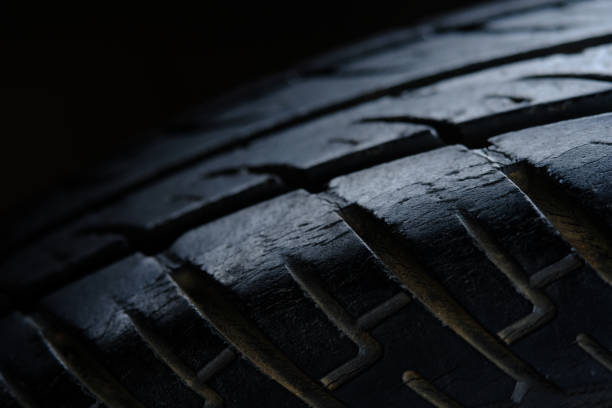
Your bike tyre serves as the sole contact point between you and the road, making its tread pattern crucial for your safety and riding experience. Every groove, block, and channel carved into that rubber surface directly influences how your motorcycle handles corners, stops in emergencies, and performs across different weather conditions. Understanding these patterns helps you make informed choices that could save your life.
Types of Tread Patterns and Their Applications
Different riding conditions demand specific tread designs. Choosing the right pattern for your needs significantly impacts both performance and safety.
Symmetrical Patterns for Daily Commuting
Symmetrical treads feature uniform patterns across the tyre width, offering predictable handling and even wear. These designs suit riders who primarily commute on city streets and well-maintained roads.
Benefits of symmetrical patterns include:
- Consistent performance regardless of lean angle
- Even wear distribution extending tyre life
- Lower rolling resistance improving fuel efficiency
- Predictable handling characteristics
- Cost-effective manufacturing keepingtyre price competitive
Asymmetrical Patterns for Performance Riding
Asymmetrical treads incorporate different designs on inner and outer tyre portions. The outer shoulder typically features larger, rigid blocks for cornering grip, while the inner section contains more grooves for water evacuation.
Performance benefits include:
- Enhanced cornering stability through reinforced outer shoulders
- Improved water dispersion without sacrificing dry grip
- Optimised contact pressure distribution
- Better heat dissipation during aggressive riding
Directional Patterns for Wet Weather Excellence
V-shaped or arrow-like directional patterns actively pump water away from the contact patch. The angled grooves create lateral forces that push water outward as the tyre rotates.
Directional treads excel through:
- Active water evacuation reducing hydroplaning risk
- Progressive grip characteristics
- Shorter braking distances in wet conditions
- Enhanced straight-line stability
Real-World Performance Impact
Laboratory testing provides valuable data, but real-world riding reveals how tread patterns truly affect your experience. Understanding these impacts helps you select tyres matching your riding style.
Cornering Confidence and Feedback
Large, widely-spaced blocks create more movement under cornering loads. This movement enhances mechanical grip on rough surfaces but may feel vague on smooth tarmac. Conversely, closely-spaced blocks provide precise steering feel preferred by sport riders.
Your bike tyre communicates road conditions through subtle vibrations and resistance changes. Experienced riders learn to interpret these signals, adjusting their inputs accordingly. Well-designed patterns provide clear feedback without overwhelming the rider with unnecessary information.
Braking Performance Across Conditions
Research shows stopping distances varying by several metres depending on pattern design and conditions.
Dry Conditions:
- Slick tyres: Shortest stopping distance
- Minimal tread: 5-10% longer
- Aggressive tread: 15-20% longer
Wet Conditions:
- Directional patterns: Baseline performance
- Symmetrical patterns: 10-15% longer
- Worn treads: 40-50% longer (dangerous)
Regular tyre price checks become worthwhile when you consider safety implications. Investing in appropriate tyres costs far less than accident repairs or medical bills.
Selecting Optimal Patterns for Your Riding
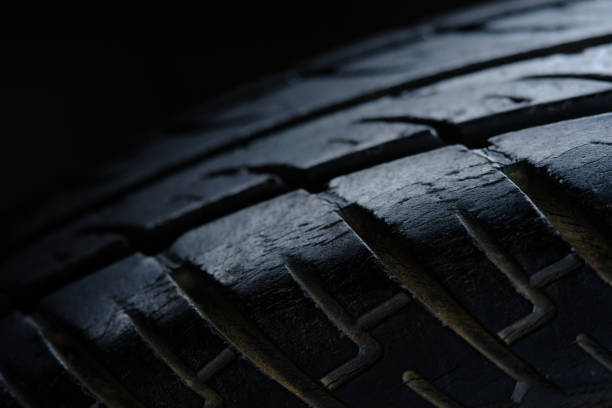
Matching tread patterns to your riding environment maximises both enjoyment and safety. Consider these factors when choosing your next set of tyres
Urban and Highway Riding
City riders face unique challenges: frequent stops, varied surfaces, and unpredictable conditions. Symmetrical or mild hybrid patterns offer the versatility needed for urban environments.
Key considerations:
- Even wear important for economy
- Wet grip essential for sudden storms
- Low noise levels for comfort
- Reasonable tyre price for regular replacement
Sport and Track Day Use
Performance-oriented riders demand maximum dry grip and precise handling. Asymmetrical patterns with minimal centre grooving suit track days and spirited road riding.
Sport tyre characteristics:
- Large contact patches for maximum grip
- Reinforced shoulders for extreme lean angles
- Quick warm-up for immediate performance
- Heat-resistant compounds maintaining consistency
Adventure and Off-Road Capability
Dual-sport riders need patterns working across vastly different surfaces. Knobby designs provide mechanical grip on loose surfaces while maintaining acceptable road manners.
Adventure tyre balance involves:
- Block height for off-road penetration
- Spacing for self-cleaning ability
- Compound durability for long distances
- Road noise within tolerable limits
Get the Best of Tyre Performance with the Suitable Tread Pattern
Tyre tread patterns profoundly impact your riding experience, from daily commutes to weekend adventures. For scooters like the Activa, tyre price is a crucial factor in the purchasing process, but for motorcycles, performance with the correct tread pattern should be the highest priority.
Each pattern undergoes rigorous testing across Indian road conditions, ensuring reliable performance whether you’re navigating monsoon-soaked streets or carving mountain passes. The company’s commitment to quality means riders get tyres specifically engineered for local conditions at competitive prices. Your next bike tyre purchase becomes easier knowing Eurogrip’s patterns match real-world riding demands with proven reliability.









Comments