
 By
By 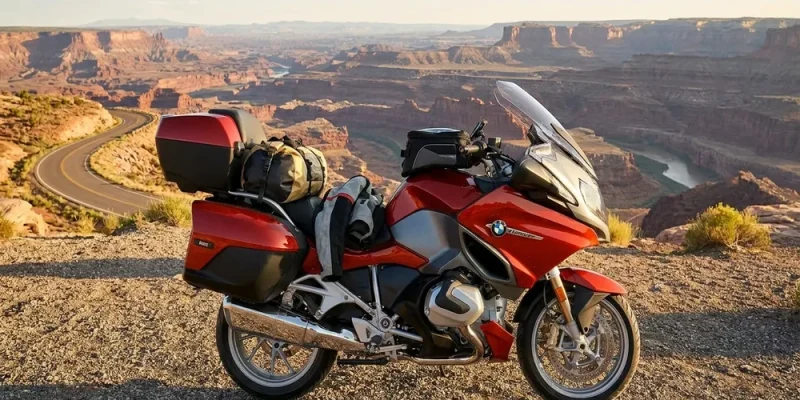
Many riders assume that a larger engine automatically makes a touring motorcycle better. While engine capacity certainly influences acceleration and power, it is only one part of what creates an enjoyable long-distance riding experience. Comfort, stability, storage, technology, and reliability often have a much greater impact on how satisfying a journey becomes. A motorcycle designed with touring in mind allows riders to spend hours on the road with confidence, regardless of whether they are travelling across the country or exploring scenic backroads.
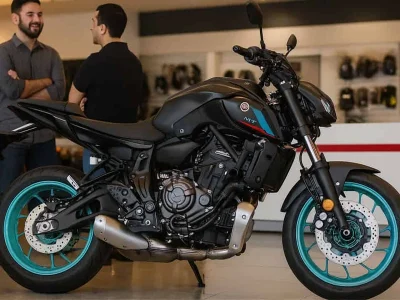
When researching touring motorcycles, many experienced riders look to trusted dealerships such as Procycles to compare different models and understand which features best match their riding style. A well-informed decision goes far beyond choosing the biggest engine available.
Comfortable Ergonomics Make Every Mile Easier
One of the most valuable features on any touring motorcycle is rider comfort. Long hours in the saddle can quickly become exhausting if the seating position is poorly designed. A supportive seat, naturally positioned handlebars, and properly placed foot controls reduce fatigue and make extended rides much more enjoyable.
Manufacturers also invest in adjustable seating positions and ergonomic designs that accommodate riders of different heights. These thoughtful details allow riders to remain comfortable even after several hundred miles on the road.
Wind Protection Improves The Overall Ride
Wind resistance becomes increasingly noticeable during highway travel. A well-designed windshield and aerodynamic fairing help direct airflow around the rider instead of directly into the chest and helmet.
Reduced wind pressure decreases physical fatigue while also making communication systems easier to hear. Better wind management allows riders to focus on the road instead of constantly battling strong air currents throughout the journey.
Suspension Quality Matters More Than Horsepower
Power means very little if every bump transfers directly to the rider. Touring motorcycles benefit greatly from high-quality suspension systems that absorb uneven pavement and maintain stability over varying road conditions.
Modern suspension designs improve handling while keeping both rider and passenger comfortable. Adjustable suspension also allows riders to adapt the motorcycle for different luggage loads or passenger weight without sacrificing ride quality.
Storage Capacity Supports Longer Adventures
Touring often involves carrying clothing, tools, electronics, rain gear, and personal belongings. Integrated saddlebags, top cases, and secure storage compartments make organising equipment simple and convenient.
Hard luggage systems provide weather protection while maintaining the motorcycle’s balance. Easy access to storage also reduces unnecessary stops since frequently used items remain readily available throughout the trip.
Fuel Range Reduces Unnecessary Stops
A larger fuel tank can often be more valuable than a larger engine. Longer fuel range gives riders greater flexibility when planning routes through rural areas where gas stations may be limited.
Fewer refuelling stops also allow riders to cover greater distances efficiently while maintaining a comfortable travel schedule. For adventure touring, this feature becomes especially valuable when exploring remote destinations.
Rider Technology Enhances Safety And Convenience
Modern touring motorcycles increasingly include advanced technology that improves both safety and convenience. Cruise control allows riders to maintain steady speeds during long highway sections while reducing wrist fatigue.
Other useful features include heated grips, heated seats, navigation systems, smartphone connectivity, tyre pressure monitoring, multiple riding modes, traction control, and advanced braking systems. These technologies contribute more to overall touring enjoyment than simply adding additional engine power.
Reliable Braking Builds Rider Confidence
Power is only beneficial when matched with excellent stopping capability. Touring motorcycles typically carry additional weight from luggage and passengers, making effective braking systems especially important.
Dual disc brakes, anti-lock braking systems, and electronic braking assistance help riders maintain control during emergency situations or adverse weather conditions. Strong braking performance creates confidence on unfamiliar roads and steep mountain descents.
Passenger Comfort Should Never Be Overlooked
Many touring adventures involve riding with a passenger. A spacious passenger seat, supportive backrest, comfortable foot pegs, and smooth suspension greatly improve the shared riding experience.
When both rider and passenger remain comfortable, longer journeys become more enjoyable and less physically demanding for everyone involved.
Reliability Creates Peace Of Mind
Long-distance riders depend on motorcycles that perform consistently in changing weather and road conditions. Durable components, dependable engines, and readily available service support contribute significantly to a motorcycle’s touring capability.
Routine maintenance, quality construction, and strong manufacturer support reduce the likelihood of unexpected breakdowns far from home. Confidence in the motorcycle allows riders to focus entirely on enjoying the journey.
Conclusion
While engine size often attracts attention during the buying process, it rarely determines the overall quality of a touring motorcycle. Comfort, wind protection, suspension, storage, fuel range, safety technology, braking performance, passenger accommodations, and long-term reliability all contribute more directly to enjoyable travel. By evaluating these practical features first, riders can choose a motorcycle that delivers memorable adventures and lasting satisfaction on every road they explore.



Comments