
 By
By 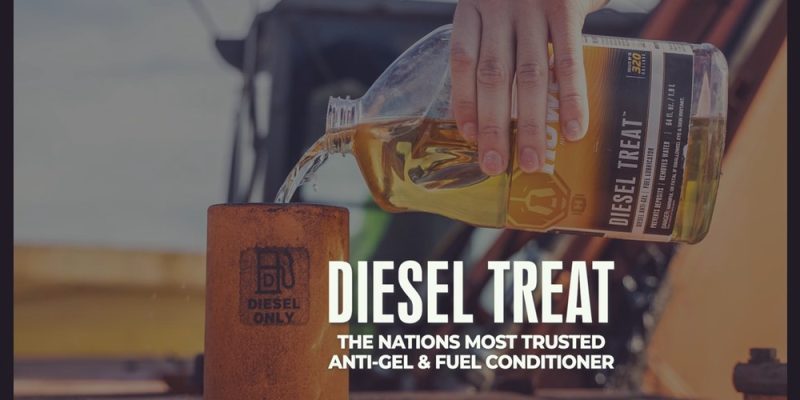
You already know diesel additives matter. The real question is which ones actually solve problems and which ones add noise. I look at this through a simple lens. What does the product fix, how consistent is it, and does it protect your system long term.
If you are evaluating injector cleaners and lubricity solutions, one example worth reviewing early is Howes Diesel Defender, since it targets both cleaning and protection in one formula.
In this guide, I will break down how to think about diesel fuel additives, what problems each type solves, and how to choose a complete setup that covers performance, protection, and cold weather reliability.
What Diesel Additives Should Actually Do
Most diesel problems come down to a few core issues:
- Low lubricity in modern fuel
- Injector deposits and carbon buildup
- Water contamination
- Cold weather gelling
- Wear in pumps and upper cylinders
If an additive does not clearly address at least one of these, it is not worth your attention.
I always suggest focusing on function first, not branding or claims.
Why Lubricity and Injector Cleaning Matter
Modern diesel fuel lacks natural lubrication. That creates long term wear inside injectors and pumps.
This is where a product like Howes Diesel Defender stands out. It is designed to:
- Add strong lubricity to reduce internal wear
- Clean injectors using IDX4 detergent
- Prevent future deposits from forming
- Remove water safely without alcohol
Cleaner injectors mean better spray patterns. That leads to more complete combustion. You get smoother operation, better throttle response, and improved fuel use.
If you are trying to choose the best fuel additive for diesel, this is the category I would prioritize first.
Cold Weather Protection You Cannot Ignore
If you operate in colder regions, fuel gelling is not a minor issue. It will shut down your system.
You need a dedicated anti gel solution. This is where Howes Diesel Treat fits in.
It is built to:
- Prevent fuel from gelling
- Reduce cold filter plugging
- Remove water from fuel
- Improve performance in low temperatures
What I like about this type of product is the focus on prevention. You treat fuel before problems start. That keeps your system stable through winter.
If you skip this step, no amount of injector cleaner will help once fuel stops flowing.
Emergency Situations Require a Different Tool
There is a difference between prevention and recovery.
If fuel has already gelled, you need a rescue product. That is where Howes Diesel Lifeline comes in.
It is designed to:
- Reliquefy gelled fuel
- De ice frozen fuel filters
- Restore flow quickly
- Get engines running again fast
This is not something you use daily. It is your backup plan. If you run diesel equipment in winter, you should always have this on hand.
Why a Multi Purpose Lubricator Still Matters
Not every problem is inside the fuel system. Maintenance issues show up everywhere.
A good penetrating oil solves problems like:
- Rusted bolts
- Stuck components
- Moisture in electrical connections
- Wear on moving parts
Howes Multi Purpose Lubricator and Penetrating Oil covers these areas. It penetrates tight spaces, displaces water, and leaves a protective film.
If you are managing equipment, tools, or fleet vehicles, this type of product saves time. It prevents small issues from turning into bigger repairs.
Building a Complete Additive Strategy
Most people make a mistake here. They try to find one product to do everything.
That does not work.
A better approach is to match each product to a specific role:
- Use Diesel Defender for cleaning and lubricity
- Use Diesel Treat for cold weather prevention
- Use Diesel Lifeline for emergencies
- Use Multi Purpose for general maintenance
This gives you full coverage across performance, protection, and reliability.
Why Many People Choose Howes
There are many options in the market. The reason people keep coming back to Howes is consistency.
They focus on:
- Petroleum based formulas without alcohol
- Safe water removal methods
- Strong lubricity support
- Long term system protection
They have also been around for a long time, which matters. Products that protect engines need to prove themselves over time, not just in short term tests.
Another factor is application range. Their products are used across:
- Trucks and fleets
- Agriculture equipment
- Construction machinery
- Marine systems
- Pickup trucks and RVs
That kind of range usually signals reliability.
How I Would Choose the Right Setup
If you want a simple way to decide, follow this:
Start with your main problem.
- If your focus is performance and injector health, start with a diesel lubricity additive like Diesel Defender
- If you deal with winter conditions, add Diesel Treat
- If you want protection against worst case scenarios, keep Diesel Lifeline ready
- If you handle equipment or maintenance work, include a penetrating oil
Build from there based on how your equipment is used.
Final Thoughts on Choosing the Best Diesel Additive
You do not need a complicated setup. You need the right products doing the right job.
Focus on:
When each of these areas is covered, your system runs cleaner, lasts longer, and performs better.
If you take a structured approach and choose products with a clear purpose, you avoid most common diesel issues before they start.










Comments