
 By
By 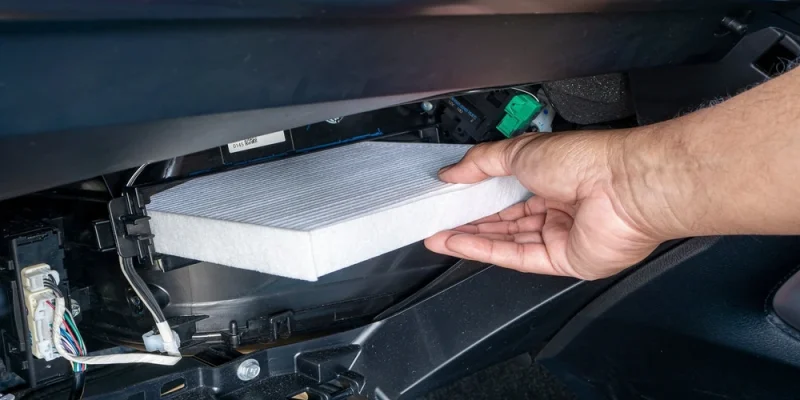
You spend many hours driving your car. But the air inside your vehicle can be highly polluted. Road dust and exhaust fumes constantly enter the cabin. Therefore, a clean cabin air filter is absolutely essential. This simple component traps harmful particles effectively. Now, modern technology is changing how we breathe on the road.
Signs that You Need a New Filter
Decreased airflow through your dashboard vents is a common sign. You will feel less air even on high settings. Also, persistent musty smells indicate a dirty filter. Sometimes, windows will fog up much faster than usual. Moisture gets trapped in the dirty filter material easily. You should check the owner’s manual for specific intervals. However, heavy traffic or dusty roads require more frequent changes. Replacing the filter preserves the interior air quality.
The Simple Process of Replacing the Filter
Most cabin air filters are very easy to replace. The filter housing sits behind the glove box usually. First, you must empty the glove compartment completely. Then, you release the retaining clips carefully. The old filter slides out with minimal effort. Now, you should check for leaves and debris inside. You must insert the new filter in the correct direction. Airflow arrows on the frame point the right way. Finally, you secure the housing cover back into place.
The Integration of Advanced Purification Technologies
New vehicles use multiple layers of protection now. Activated carbon layers absorb unpleasant odors and harmful chemicals. Also, some systems feature ultraviolet light sterilization modules. These modules destroy airborne bacteria and viruses effectively. Companies like Georgen Auto develop these advanced purification systems.
Innovations in Smart Sensor Integration
Smart sensors track particulate matter levels in real time. They compare inside air with outside air quality continuously. Then, the system displays this information on the dashboard screen. Drivers can see the cleanliness of their air visually. Now, companies like Georgen Auto are leading this helpful innovation. They design intuitive interfaces for monitoring cabin health easily. This data helps drivers understand their immediate environment better. Intelligent automation removes the guesswork from climate control.
Predicting Environmental Challenges
Future vehicles must handle increasing global pollution levels. Air management systems will face tougher challenges by Auto Repair in Manchester, IA. Wildfire smoke and industrial smog are becoming more common. Therefore, robust filtration is a critical safety feature now. Smart vehicles will communicate with city pollution maps in real time. They will activate maximum filtration before you enter dirty zones. This predictive capability represents a massive leap forward.
Conclusion
Clean air is no longer a luxury inside your automobile. Regular filter replacement remains a vital maintenance step today. But smart systems will soon take over this responsibility completely. They protect passengers from invisible hazards on the road. Ultimately, intelligent air management ensures every breath is safe.






Comments