
 By
By 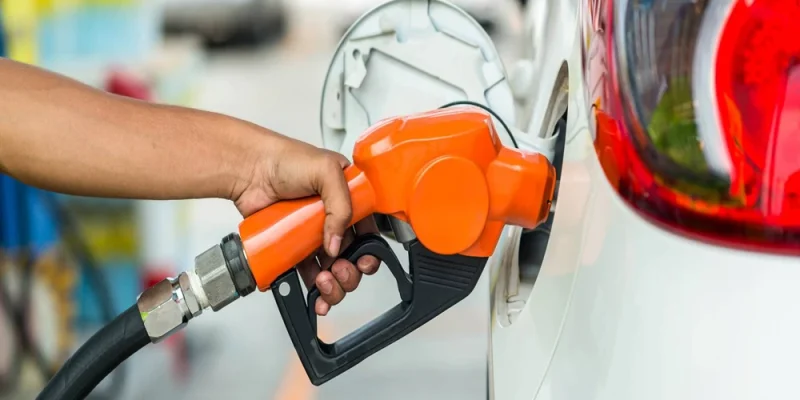
One of the main concerns for car owners today is how much fuel their cars use. While rising fuel prices encourage drivers to look for ways to reduce costs, many overlook one of the most effective solutions: regular vehicle maintenance. A properly maintained car uses fuel more efficiently because every major component works as intended. Routine service not only saves money at the pump but also extends the life of the vehicle, improves performance, and reduces the likelihood of unexpected breakdowns.
Many drivers researching About All European I Auto Repair Las Vegas discover that consistent maintenance is one of the simplest ways to keep European and other modern vehicles operating at peak efficiency.
Engine Performance Plays a Major Role
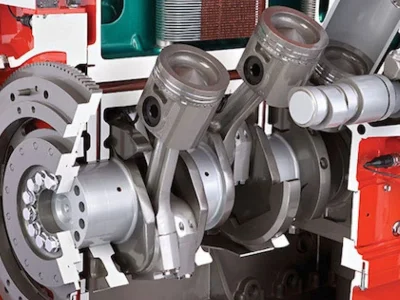
The engine is the heart of every vehicle, and its condition directly affects fuel consumption. Over time, spark plugs wear out, air filters become clogged, and fuel injectors collect deposits. These issues force the engine to work harder, requiring more fuel to generate the same level of performance.
Routine maintenance ensures these components remain clean and functional. Replacing worn spark plugs, cleaning the fuel system, and installing fresh air filters allow the engine to burn fuel more completely, improving both power and mileage.
Clean Air Filters Improve Combustion
An engine requires the proper balance of air and fuel to operate efficiently. When the air filter becomes dirty, airflow is restricted, disrupting this balance. As a result, combustion becomes less efficient, causing increased fuel consumption.
Replacing the air filter at recommended intervals restores proper airflow and helps the engine perform as designed. This simple maintenance task can contribute to noticeable improvements in fuel economy while supporting smoother acceleration.
Proper Tire Maintenance Reduces Fuel Consumption
Many drivers underestimate how much tire condition affects fuel efficiency. Underinflated tires create greater rolling resistance, forcing the engine to work harder during every mile driven. Uneven tire wear or poor wheel alignment creates additional drag that further reduces efficiency.
Regular maintenance should include:
- Checking tire pressure monthly
- Rotating tires at scheduled intervals
- Inspecting tread wear
- Performing wheel alignments when necessary
- Balancing tires for smooth operation
Keeping tires properly maintained allows the vehicle to roll more efficiently, reducing unnecessary fuel usage.
Fresh Engine Oil Minimizes Friction
Engine oil lubricates hundreds of moving components inside the engine. Oil loses its ability to reduce friction as it ages because it gets dirty around the edges. Increased friction forces the engine to consume more energy and, consequently, more fuel.
Routine oil changes using the manufacturer-recommended oil help internal components move smoothly while reducing heat and wear. Fresh oil contributes to better engine efficiency and supports long-term reliability.
Scheduled Inspections Catch Small Problems Early
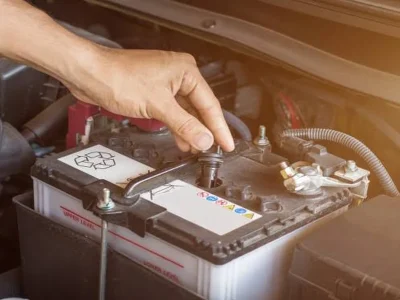
Many fuel efficiency issues develop gradually. Drivers may not immediately notice a failing oxygen sensor, a partially clogged fuel injector, or declining battery performance. However, each of these problems can slowly increase fuel consumption.
Regular inspections allow technicians to identify these concerns before they become expensive repairs. Early diagnosis helps maintain optimal vehicle performance while preventing unnecessary fuel waste.
Transmission and Cooling System Maintenance Matter
The transmission sends power from the engine to the wheels. Dirty transmission fluid or delayed maintenance can reduce shifting efficiency, making the engine work harder than necessary. Likewise, an overheating engine operates less efficiently because excessive temperatures interfere with proper combustion.
Maintaining transmission fluid and ensuring the cooling system functions correctly help preserve fuel economy while protecting expensive mechanical components.
Driving Habits Work Best With Proper Maintenance
Even careful driving habits cannot compensate for neglected maintenance. Smooth acceleration, consistent speeds, and avoiding unnecessary idling certainly improve fuel economy, but these practices produce the greatest benefits when paired with a properly maintained vehicle.
Drivers who combine regular servicing with responsible driving often experience better mileage, fewer repairs, and lower overall ownership costs throughout the life of the vehicle.
Conclusion
Regular maintenance is one of the smartest investments any vehicle owner can make. Clean filters, fresh oil, healthy tires, properly functioning engine components, and scheduled inspections all contribute to improved fuel efficiency. Rather than waiting for warning lights or mechanical failures, following a preventive maintenance schedule helps vehicles perform more efficiently while reducing fuel expenses and extending their lifespan. Over time, the savings achieved through better fuel economy and fewer major repairs make routine maintenance an essential part of responsible vehicle ownership.




Comments